AI versus automation: where rule-based automation ends and AI begins
Automation executes predefined rules, while AI infers from data. Intelligent automation merges RPA with AI to handle unstructured data and adaptive tasks. The OECD defines AI by inference, and the EU AI Act sets risk-based rules.
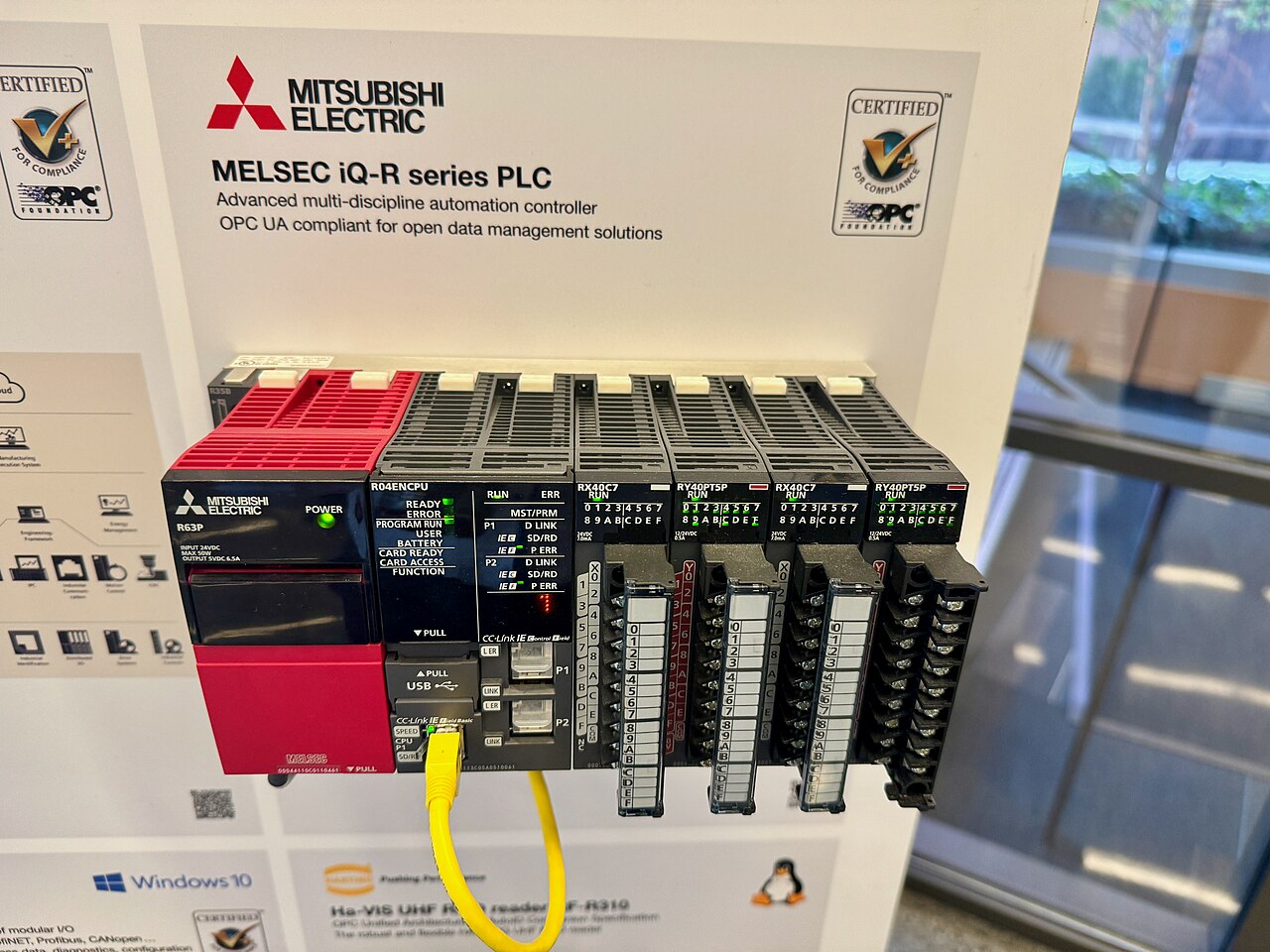

What automation means and its common forms
IBM's automation overview defines automation as the application of technology to achieve outcomes with minimal human input IBM automation overview. This covers many areas, including enterprise, industrial, and consumer applications.
Basic automation digitizes simple routine tasks such as sending invoices or onboarding new hires. Process automation handles multistep workflows that may cross multiple systems, often using rules-based decisioning. Examples include workflow automation and robotic process automation.
Intelligent automation goes further by combining AI, business process management, and robotic process automation to streamline and scale decision-making across organizations IBM intelligent automation.
Rule-based automation: RPA and its boundaries
Robotic process automation, according to IBM's RPA explainer, uses software bots to perform repetitive office tasks like extracting data, filling forms, and moving files IBM RPA. RPA is process-driven, so bots follow only the processes defined by an end user.
RPA cannot handle unstructured data or learn over time. It relies on predefined rules and works on the presentation layer of applications, so it can operate without deep integrations or APIs. Microsoft's introduction to desktop flows notes that these tools automate rule-based tasks on workstations, using drag-and-drop actions or recorded flows Microsoft Power Automate.
Intelligent automation: adding AI to automation
Intelligent automation, as AWS explains, combines AI and RPA to create complex software automation AWS intelligent automation. It uses natural language processing, optical character recognition, and generative AI to make RPA bots handle unstructured data and unknown variables.
IBM's explanation of intelligent automation identifies three components: AI as the decision engine, business process management for workflow consistency, and RPA to execute tasks. AI uses machine learning to analyze data and formulate predictions, while BPM automates workflows and RPA handles back-office tasks.
This integration lets organizations scale decision-making, reduce errors, and improve customer experience. It also enables AI insights to be acted on quickly through RPA automation.
Definitions and regulation: from automation to AI
The OECD defines an AI system as a machine-based system that infers, from given input, how to generate outputs such as predictions, content, or decisions, and that can operate with varying levels of autonomy and adaptiveness after deployment OECD AI definition. This inference-based definition separates AI from rule-based automation.
The European Commission's AI Act establishes a risk-based legal framework for AI EU AI Act. It bans systems with unacceptable risk, imposes obligations for high-risk systems, and requires transparency for certain uses. This regulation addresses challenges that automation does not pose.
Thus, the boundary between automation and AI lies in inference and learning. Automation executes fixed rules, while AI derives rules from data and adapts over time.
| Type | Basis | Data handling | Learning | Typical use |
|---|---|---|---|---|
| Basic automation | Simple rules | Structured data only | None | Invoicing, notifications |
| Process automation (RPA) | Predefined rules | Structured data, UI interactions | None | Data entry, form filling |
| Intelligent automation | AI and rules | Unstructured and structured data | Adaptive via machine learning | Complex decisions, customer service |
Frequently asked questions
What is the difference between RPA and AI?
RPA is process-driven and follows predefined rules, while AI is data-driven and uses machine learning to recognize patterns and learn over time. AI can handle unstructured data, whereas RPA cannot.
How does intelligent automation combine RPA and AI?
Intelligent automation uses AI to analyze data and make decisions, business process management to streamline workflows, and RPA to execute tasks. This allows the system to handle complex and unstructured situations.
Is Microsoft Power Automate considered AI?
Microsoft Power Automate desktop flows are rule-based automation tools for repetitive tasks. They are not AI unless AI capabilities are added. They rely on predefined rules and user-defined actions.
What does the EU AI Act regulate?
The AI Act is a risk-based legal framework. It bans AI systems with unacceptable risk and imposes obligations for high-risk systems, including risk assessment, data quality, logging, documentation, human oversight, and accuracy.
How does the OECD define an AI system?
The OECD defines an AI system as a machine-based system that infers, from input it receives, how to generate outputs such as predictions, content, or decisions for given objectives, and that can operate with varying levels of autonomy and adaptiveness.