Narrow AI: systems built for one task and why most AI is narrow
Narrow AI, or weak AI, is artificial intelligence that can perform a single or narrow task, such as voice recognition or chess. It cannot apply its skills to other tasks, unlike the theoretical general AI. Because narrow AI works well for specific problems, it is the only type of AI in common use.
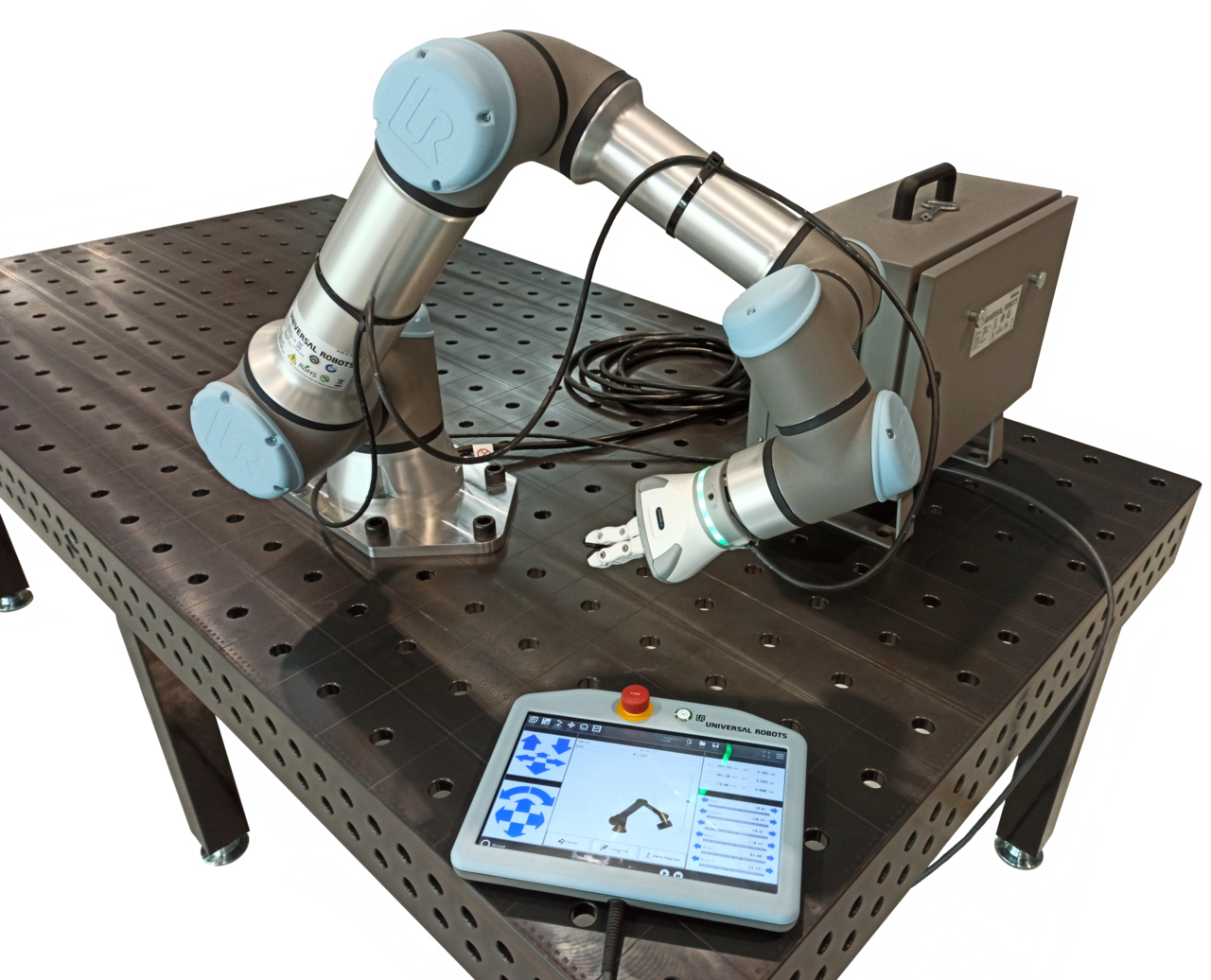

What is narrow AI
Narrow AI, also called weak AI, refers to artificial intelligence that handles a specific task. According to Google Cloud's article on general intelligence, artificial narrow intelligence is the most common type of AI today, focusing on tasks such as image recognition or natural language processing. For example, facial recognition software in security systems is an ANI application.
The limitation of narrow AI is its inability to generalize. As AWS's explanation of general intelligence notes, all current AI technologies function within pre-determined parameters, so an AI model trained for image recognition cannot build a website.
Narrow AI versus general AI
General AI, also known as strong AI, is a hypothetical system that would have human-level intelligence and perform many tasks. IBM's article on strong AI defines strong AI as possessing intelligence and self-awareness equal to that of humans, with an unlimited range of problem-solving ability. In contrast, narrow AI performs only one type of task, such as answering questions or playing chess.
Narrow AI systems depend on human engineers to set parameters and supply training data. This need for human management is a defining trait of weak AI, unlike the self-teaching goal of strong AI. The Stanford Encyclopedia of Philosophy notes that the field of AI includes debates about the possibility of strong AI, but the practical systems today are narrow.
Functional categories of narrow AI
Within narrow AI, there are two functional categories. IBM's explanation of AI types describes reactive machine AI, which has no memory, and limited memory AI, which can recall past events. Reactive machines analyze current data, as seen in IBM's chess-playing computer Deep Blue. Limited memory AI, used in generative AI and virtual assistants, can improve over time as it receives more training data.
For example, a recommendation engine like Netflix's uses past viewing history to suggest content, which is a limited memory function. A chess program that only evaluates the board position is a reactive machine. These categories help clarify how narrow AI operates without general intelligence.
Why most AI is narrow
Most artificial intelligence in use today is narrow because it is designed for a specific problem. The IBM What is AI page explains that deep learning powers most AI applications, and these applications perform well-defined tasks such as natural language processing or computer vision. Since deep learning models are trained on large datasets for particular purposes, they cannot easily transfer to other domains.
Narrow AI is also widespread because it delivers reliable results in production. Since it operates within a fixed scope, it can be tested and deployed with confidence. In contrast, general AI remains a research goal without a working example.
| Type | Focus | Current status | Example |
|---|---|---|---|
| Narrow AI | Single or narrow task | Exists today | Facial recognition, virtual assistants |
| General AI | Any intellectual task a human can perform | Theoretical | No example |
| Super AI | Surpasses human intelligence | Theoretical | No example |
Frequently asked questions
What is narrow AI?
Narrow AI, also called weak AI, is artificial intelligence that can perform one specific task, such as recognizing images or answering questions. It cannot generalize to other tasks.
Is ChatGPT narrow AI?
Yes, ChatGPT is considered narrow AI because it is limited to the single task of text-based conversation, even though it uses advanced deep learning.
Can narrow AI become general AI?
No, narrow AI cannot become general AI on its own. General AI would require the ability to learn any intellectual task, which is a theoretical goal that current narrow systems lack.
Why is narrow AI called weak AI?
It is called weak AI because it is limited to a specific function and does not possess broad human-like intelligence. The term contrasts with strong AI, which is hypothetical.
What are examples of narrow AI?
Examples include facial recognition software, virtual assistants like Siri and Alexa, and recommendation engines like Netflix's, all of which operate within a defined task.