AI in education: tutoring systems, assessment and classroom guidance
Artificial intelligence can address educational challenges by providing personalized tutoring, assisting with assessment, and guiding classroom policies. International organizations offer principles for human-centered, child-rights-based AI. Schools can adopt comprehensive guidance and teacher training to implement AI responsibly.
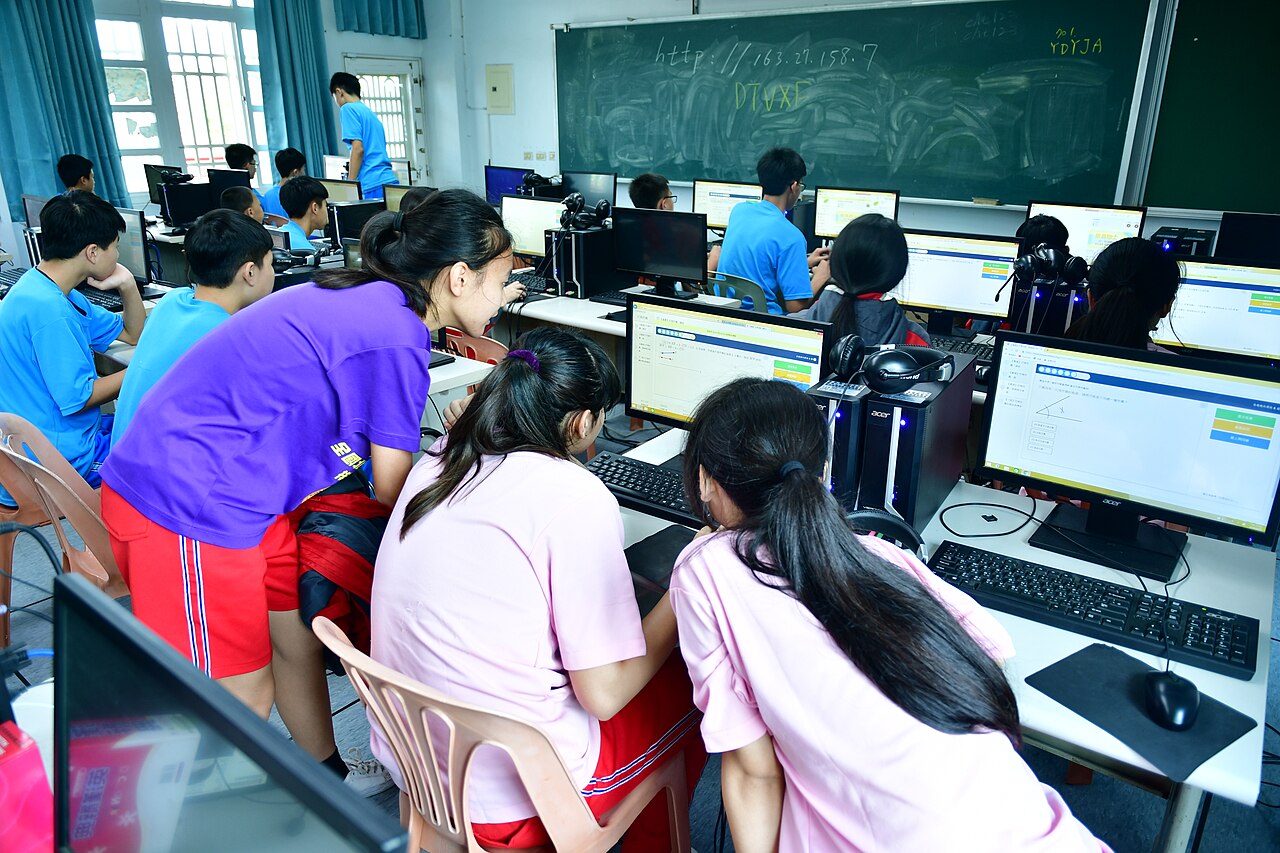

Potential and human-centered principles
Artificial intelligence has the potential to address major challenges in education, including improving teaching and learning practices and accelerating progress toward Sustainable Development Goal 4. Yet rapid technological developments have outpaced policy debates and regulatory frameworks. UNESCO emphasizes a human-centered approach to ensure that AI application in education is guided by inclusion and equity, and that it does not widen technological divides within and between countries. UNESCO's AI in education page
UNESCO has developed guidance for policy-makers and AI competency frameworks for students and teachers. The organization also stresses that creativity and critical thinking remain the most important skills, ones that no technology can replace. These frameworks aim to support countries in helping students and teachers understand both the potential and the risks of AI.
The Beijing Consensus and other outputs provide a shared understanding of opportunities and challenges. The human-centered mandate calls for everyone to benefit from AI's innovations while avoiding an increase in existing inequalities.
AI tutoring systems
AI-powered tutoring systems offer personalized learning support that adapts to individual needs. Khanmigo, developed by Khan Academy, is an AI tutor that guides learners to find answers themselves rather than providing direct solutions. It also serves as a teaching assistant, helping with lesson plans, rubric generation, and exit tickets. Khanmigo's overview
The tool integrates with Khan Academy's content library across math, humanities, coding, and social studies. For learners under 18, parental or school district consent is required. Classroom access is only available through school or district implementations, ensuring supervision and support.
The design emphasizes critical thinking and problem-solving. Educators report that students pose more questions to the tutor than they might typically ask, indicating deeper engagement.
Regulating generative AI in education
UNESCO's first global guidance on generative AI in education addresses the lack of national regulations, which leaves user data privacy unprotected and institutions unprepared to validate tools. The guidance proposes key steps, including mandating data privacy protection and setting an age limit for independent conversations with generative AI platforms. UNESCO's generative AI guidance
It recommends a human-agent approach and age-appropriate design for ethical validation and pedagogical use. The guidance also discusses creative uses in curriculum design, teaching, learning, and research, while exploring long-term implications.
Countries are encouraged to develop comprehensive policy frameworks that ensure ethical, safe, equitable, and meaningful use of generative AI in education and research.
Child rights and inclusive AI
UNICEF's policy guidance on AI for children outlines ten requirements for child-centered AI, covering regulatory frameworks, safety, data privacy, non-discrimination, transparency, and inclusion. The guidance draws on the Convention on the Rights of the Child and promotes children's rights in government and private sector AI policies. UNICEF's policy guidance
The updated version addresses generative AI, AI companions used by children, and the environmental impacts of AI systems. It also emphasizes opportunities to support learning and increase accessibility for children with disabilities.
The guidance was developed with input from an expert advisory group, civil society, governments, and academia, and piloted with partners to ensure real-world applicability.
Classroom guidance and teacher development
TeachAI provides resources to help education leaders and policymakers understand AI implications and develop responsible policies. The Guidance for Schools Toolkit offers practical resources and real-world examples for creating initial AI guidance. TeachAI's homepage
ISTE+ASCD empowers educators to use AI safely and responsibly in learning. It offers AI professional development, lessons, and a Profile of an AI-Ready Graduate that defines competencies for critical thinking and responsible problem-solving alongside AI. ISTE+ASCD's AI education page
Both resources emphasize building capacity and promoting AI literacy among students and teachers. They support innovation while addressing ethical considerations and the need for supervision in schools.
| Organization | Focus | Key output |
|---|---|---|
| UNESCO | Human-centered AI, inclusion | AI competency frameworks, policy guidance |
| UNICEF | Child rights, safety | 10 requirements for child-centered AI |
| TeachAI | School guidance, policy | Guidance for Schools Toolkit |
| ISTE+ASCD | Teacher development, AI literacy | AI professional development, Profile of an AI-Ready Graduate |
| Khan Academy | Personalized tutoring | Khanmigo AI tutor |
Frequently asked questions
What is the human-centered approach to AI in education?
It prioritizes inclusion, equity, and human agency, ensuring AI serves people and does not widen divides.
How does Khanmigo guide learning?
It asks questions and walks learners through solutions instead of giving direct answers, promoting critical thinking.
What are UNICEF's requirements for child-centered AI?
There are ten requirements covering safety, data privacy, fairness, transparency, inclusion, and children's development.
Why is data privacy important in generative AI for education?
Because many countries lack national regulations, leaving user data unprotected and institutions unprepared.
What does TeachAI offer for schools?
It provides a Guidance for Schools Toolkit and policy ideas to create responsible AI policies.