AI watermarking: hidden signals that mark content as machine made
AI watermarking embeds invisible signals into machine-generated content to enable detection. Text watermarks bias token selection, and image watermarks add hidden messages, but both face removal attacks. The EU AI Act and C2PA provide regulatory and provenance frameworks.
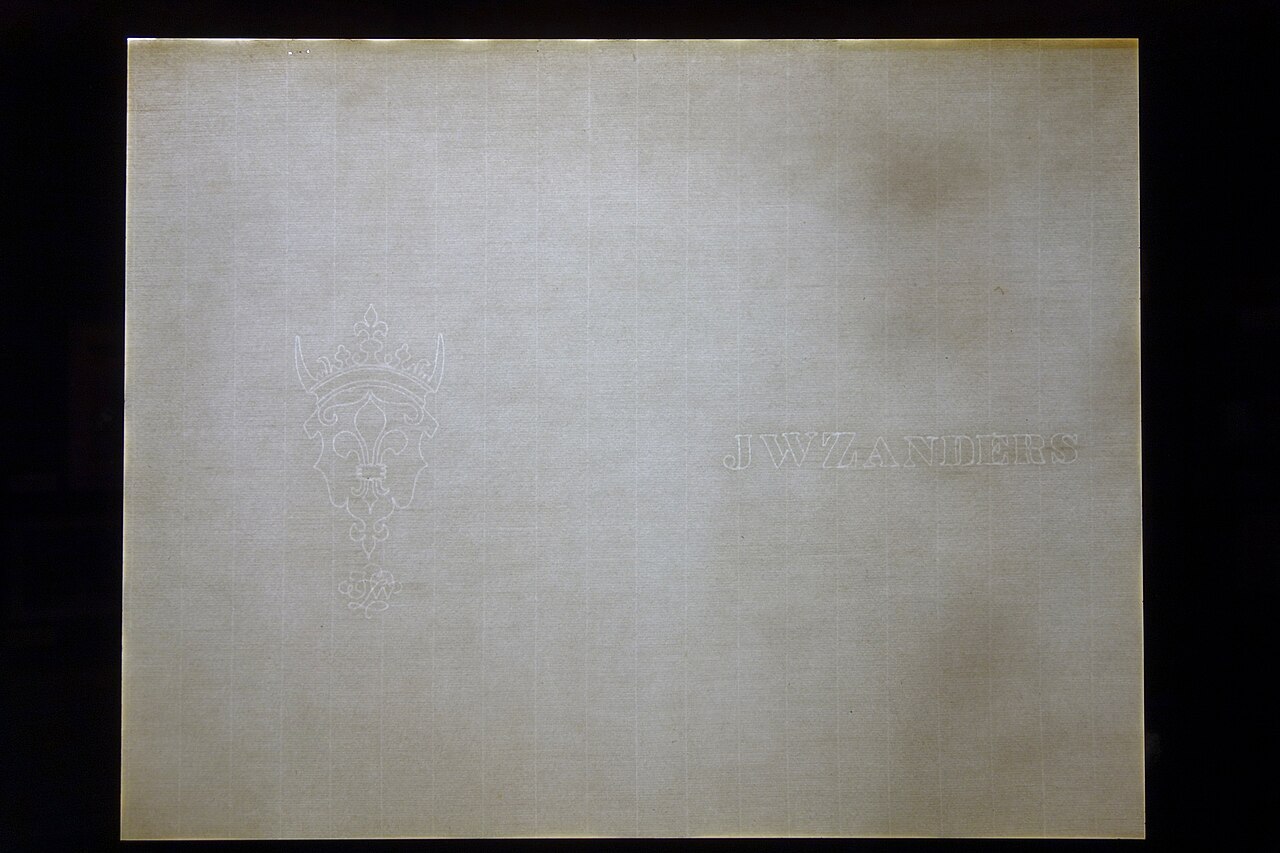

What is AI watermarking?
AI watermarking is a technique for embedding hidden signals into content produced by generative models so that it can be later identified as machine made. The NIST synthetic content overview examines technical approaches to digital content transparency, including watermarking, authentication, and provenance tracking.
Watermarking differs from provenance systems that record metadata about an item's creation and edits. A watermark is embedded directly in the content itself, making it detectable even if the metadata is stripped. NIST's overview outlines how such methods can mitigate risks from synthetic content, such as misinformation and fraud.
The goal is to allow detectors to verify the origin of text, images, audio, or video without requiring access to the generating model or its parameters. This supports accountability and helps users distinguish human and machine output.
How text watermarking works
The framework described in the arXiv watermark paper selects a randomized set of 'green' tokens before each word is generated, then softly promotes their use during sampling. This creates a detectable statistical pattern without affecting the quality of the text.
Detection is performed by an open-source algorithm that counts how many green tokens appear in a span of text and computes a p-value. The scheme does not require access to the language model's API or internal parameters, as stated in the paper's abstract.
The authors tested the watermark on a multi-billion parameter model from the Open Pretrained Transformer family and reported that the watermark can be embedded with negligible impact on text quality.
Challenges and attacks
Watermarks in text can be weakened by paraphrasing, but they do not disappear entirely. The arXiv reliability study found that after strong human paraphrasing, the watermark is still detectable once about 800 tokens are observed, assuming a low false positive rate.
Image watermarks face a different threat. The arXiv image watermark study demonstrates that regeneration attacks, which add random noise and then reconstruct the image with a diffusion model, can remove invisible pixel-level watermarks. The authors recommend semantically preserving watermarks as an alternative.
These results highlight that watermarking is not a perfect safeguard. Attackers can alter content to reduce detectability, so watermarking should be combined with other transparency measures for more reliable protection.
Standards and policy
The European Union's AI Act, in Article 50, requires providers of AI systems that generate synthetic audio, image, video, or text to mark outputs in a machine-readable format and ensure they are detectable as artificially generated. The obligation applies when technical solutions are effective, interoperable, and reliable, as stated in the article.
The C2PA website describes an open standard called Content Credentials, which functions like a nutrition label for digital content, allowing anyone to access information about the content's origin and edits.
Governments and industry groups are working to make content provenance more transparent, but standards must evolve alongside generative AI capabilities. Users can look for watermarking and provenance labels to assess the authenticity of digital media.
| Technique | How it marks content | Known weakness |
|---|---|---|
| Text watermarking | Biases token selection with a green list | Paraphrasing can dilute detection |
| Image watermarking | Embeds a hidden message in pixels | Regeneration attacks can remove it |
| Content Credentials | Adds provenance metadata to a file | Requires adoption by creators and platforms |
| EU AI Act marking | Mandates machine-readable labels | Applies only to covered providers |
Frequently asked questions
Can AI watermarks be removed?
Yes. Image watermarks can be removed by regeneration attacks that add noise and reconstruct the image. Text watermarks survive paraphrasing but become harder to detect.
How does text watermarking achieve detection?
It biases the model to use a random selection of green tokens. A detector counts those tokens and uses a statistical test to determine if the text is machine made.
What does the EU AI Act require for synthetic content?
Providers must mark outputs of generative AI systems in a machine-readable format so they are detectable as artificial, with certain exceptions for assistive editing or law enforcement.
What are Content Credentials?
Content Credentials is an open standard from C2PA that attaches provenance information to digital files, letting people see the content's origin and edit history.
Why is watermarking considered a risk mitigation tool?
It helps identify machine-generated content, which can reduce the spread of misinformation and other harms, as discussed in NIST's overview of synthetic content risks.